September 2, 2026
A properly planned septic system does more than manage wastewater for a property. It also plays an important role in protecting surrounding soil, groundwater, surface water, vegetation, and wildlife from unnecessary contamination. When a septic system is designed according to the property's conditions, wastewater can be treated and dispersed in a controlled manner. Professional septic design considers factors such as soil characteristics, site conditions, wastewater flow, setbacks, and system components to create an appropriate solution for the property.
Evaluating Site Conditions
Every property has different characteristics that can affect how a septic system should function. Soil composition, slope, drainage patterns, available space, groundwater conditions, and nearby water features can all influence system planning. A design that works appropriately on one property may not be suitable for another. Professional evaluation helps identify these differences before the system is developed.
Septic design begins with understanding how the property can accommodate wastewater treatment and dispersal. Professionals can assess relevant site characteristics and determine how those conditions affect the proposed system. This information provides the foundation for selecting appropriate components and locations. Thorough planning can help reduce the potential for wastewater to move into areas where it could affect surrounding environmental resources.
Protecting Groundwater Resources
Groundwater is an important natural resource that can supply drinking water and support streams, wetlands, vegetation, and ecosystems. Improperly treated wastewater can introduce nutrients, pathogens, and other contaminants into groundwater. Because groundwater can move beneath properties and across larger areas, contamination may have consequences beyond the immediate location. Proper septic planning helps reduce these risks by accounting for how wastewater will be treated and dispersed.
Professional septic design considers the relationship between the proposed system and groundwater conditions. Designers can evaluate separation distances and other site characteristics when determining an appropriate configuration. Keeping wastewater treatment and dispersal within suitable areas can help support effective treatment before water reaches groundwater resources. This environmental consideration is an important part of responsible septic planning.
Preserving Local Waterways
Streams, ponds, lakes, wetlands, and other surface water features can be sensitive to changes in water quality. Excess nutrients and contaminants entering these resources can contribute to ecological problems, including excessive algae growth and changes in aquatic conditions. Septic systems located near sensitive water resources therefore require careful planning. Proper design can help limit the potential for wastewater-related pollutants to reach nearby waterways.
Septic design accounts for site characteristics that may affect wastewater movement toward surface water. Property layout, drainage patterns, soil conditions, and system placement can all influence how effectively wastewater is treated and dispersed. Professionals can use this information when determining an appropriate system configuration. The objective is to support wastewater treatment while minimizing unnecessary environmental impacts.
Managing Wastewater Treatment
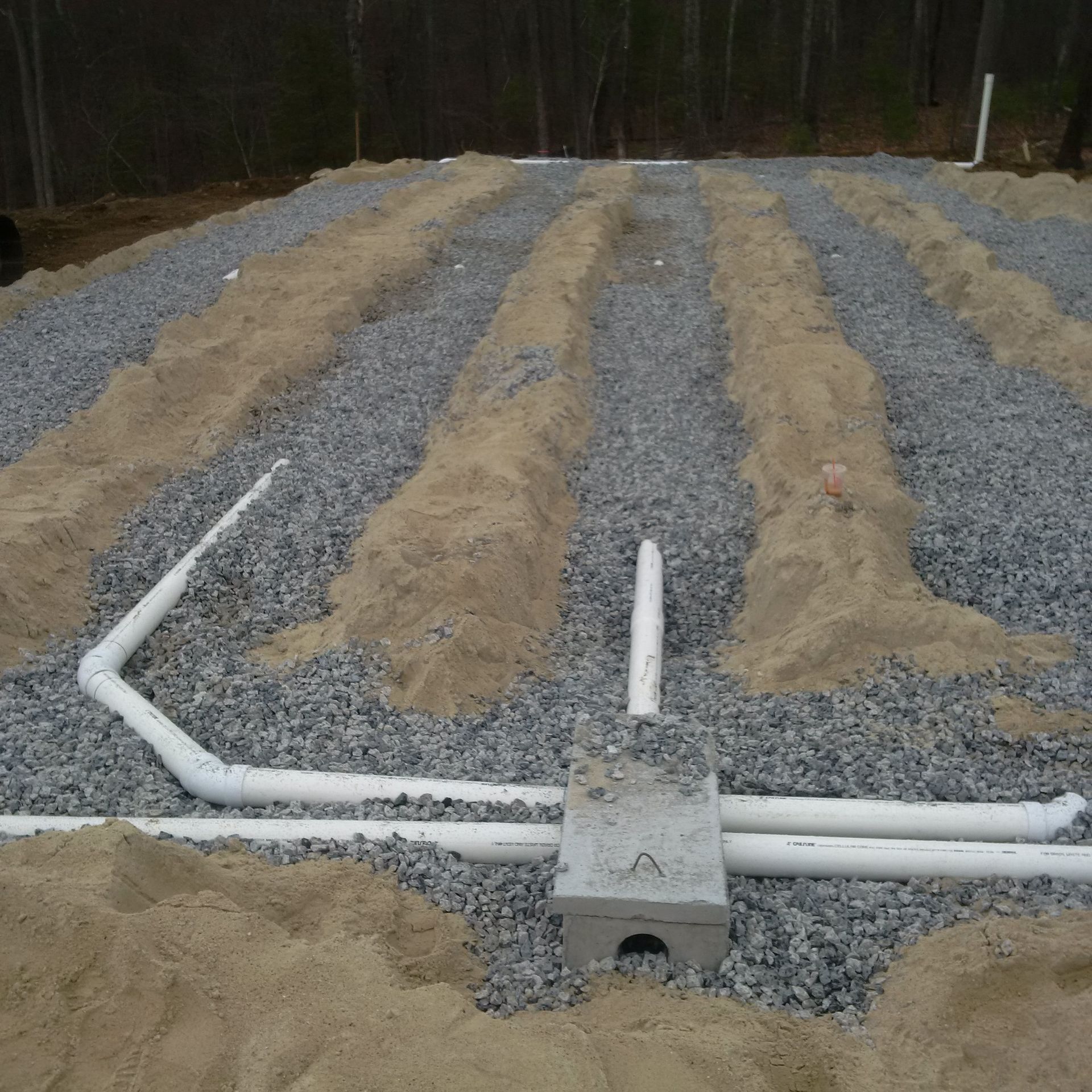
A septic system relies on multiple processes to treat wastewater before it is dispersed into the surrounding environment. The tank provides an initial treatment stage, while the soil and dispersal area contribute to additional treatment. The effectiveness of these processes depends partly on appropriate system sizing, placement, and site conditions. Professional planning helps ensure these components are considered together.
Septic design can account for expected wastewater generation and the characteristics of the property. A system that is appropriately sized for its intended use can help support consistent treatment and dispersal. Designers also consider how the system's components interact with one another. This integrated approach supports the system's functional goals while helping protect surrounding environmental resources.
Matching Systems to Soil Conditions
Soil is an essential component of many septic systems because it contributes to wastewater treatment and dispersal. Different soils have different characteristics related to permeability, structure, drainage, and treatment capacity. If a system is poorly matched to the site's soil conditions, wastewater may not move or receive treatment as intended. Professional site assessment can identify these factors during planning.
Septic design uses information about soil conditions to determine whether a proposed dispersal area is appropriate. Designers can consider how quickly water moves through the soil and whether the available area can support the intended system. This helps create a configuration suited to the property's natural characteristics. Matching the system to the soil can support both wastewater treatment and environmental protection.
Controlling Nutrient Impacts
Wastewater can contain nutrients such as nitrogen and phosphorus. When excessive amounts reach groundwater or surface water, they can contribute to environmental changes that affect aquatic ecosystems. Nutrient management is therefore an important consideration when planning systems near environmentally sensitive areas. Professional septic planning can account for the potential movement of nutrients through soil and water.
Septic design can incorporate site-specific considerations that influence how wastewater and nutrients are treated and dispersed. Designers can evaluate the relationship between the system, soil, groundwater, and nearby water resources. These considerations can help reduce unnecessary nutrient movement into environmentally sensitive areas. Proper planning supports a more responsible approach to wastewater management.
Protecting Vegetation and Wildlife
Healthy ecosystems depend on appropriate soil and water conditions. Changes in groundwater quality or excessive nutrient movement can affect plants, aquatic organisms, and wildlife that depend on local environmental resources. Septic systems are only one factor influencing ecosystem health, but their design and operation can contribute to the protection of surrounding habitats. Professional planning considers these environmental relationships rather than focusing exclusively on property needs.
Septic design can account for nearby environmentally sensitive areas when determining system placement and configuration. Keeping wastewater treatment and dispersal appropriately separated from vulnerable resources can help reduce potential impacts. Designers may also evaluate property features that could influence how water moves across or beneath the site. These considerations support a more environmentally responsible system.
Supporting Long-Term System Performance
Environmental protection depends partly on a septic system continuing to function as intended over time. A system that is appropriately designed for its site can provide a stronger foundation for long-term wastewater management. Components, soil conditions, expected use, and maintenance considerations all contribute to performance. Professional planning takes these factors into account before installation.
According to the U.S. EPA, a concrete septic tank can generally remain in service for at least 50 years when it receives proper maintenance. This demonstrates the potential longevity of a well-maintained component within a properly managed septic system. The expected service life of an individual component can vary based on conditions and construction quality. Professional planning and ongoing maintenance both contribute to responsible long-term system management.
Reducing Potential Contamination
Contamination can occur when wastewater is not adequately treated or when a septic system is improperly located, designed, or maintained. Pathogens, nutrients, and other wastewater constituents can potentially reach groundwater or surface water under unfavorable conditions. Preventing these pathways begins with understanding the property's environmental characteristics. Professional planning provides an opportunity to address potential concerns before a system is installed.
Septic design can establish an appropriate relationship between the wastewater system and surrounding natural resources. Designers evaluate factors such as soil, groundwater, drainage, and nearby environmental features when developing the system plan. These considerations help reduce the potential for untreated or inadequately treated wastewater to reach sensitive areas. A carefully planned system can therefore support both property functionality and environmental stewardship.
If you are planning a new septic system or need professional guidance for an existing property, we are ready to discuss your project. We can evaluate the relevant site conditions and help determine an appropriate approach for your wastewater management needs. Contact Thompson-Liston Associates, Inc. to learn more about our professional
septic design services and take the next step toward responsible property development.