October 7, 2026
When rain falls on a natural landscape, much of the water can soak into the ground or be absorbed by vegetation. In a developed area, however, roads, sidewalks, parking lots, rooftops, and other hard surfaces prevent much of that natural absorption. Instead, water runs across these surfaces and must be directed somewhere safely. This is where stormwater management becomes an important part of urban planning and civil engineering.
Stormwater management refers to the systems and practices communities use to control the quantity and quality of rainwater runoff. These systems help reduce flooding, protect infrastructure, limit erosion, and prevent pollutants from being carried into local waterways. Because poorly managed runoff can create problems for both property owners and entire communities, cities often require stormwater management measures as part of new development and construction projects.
What Is Stormwater Management?
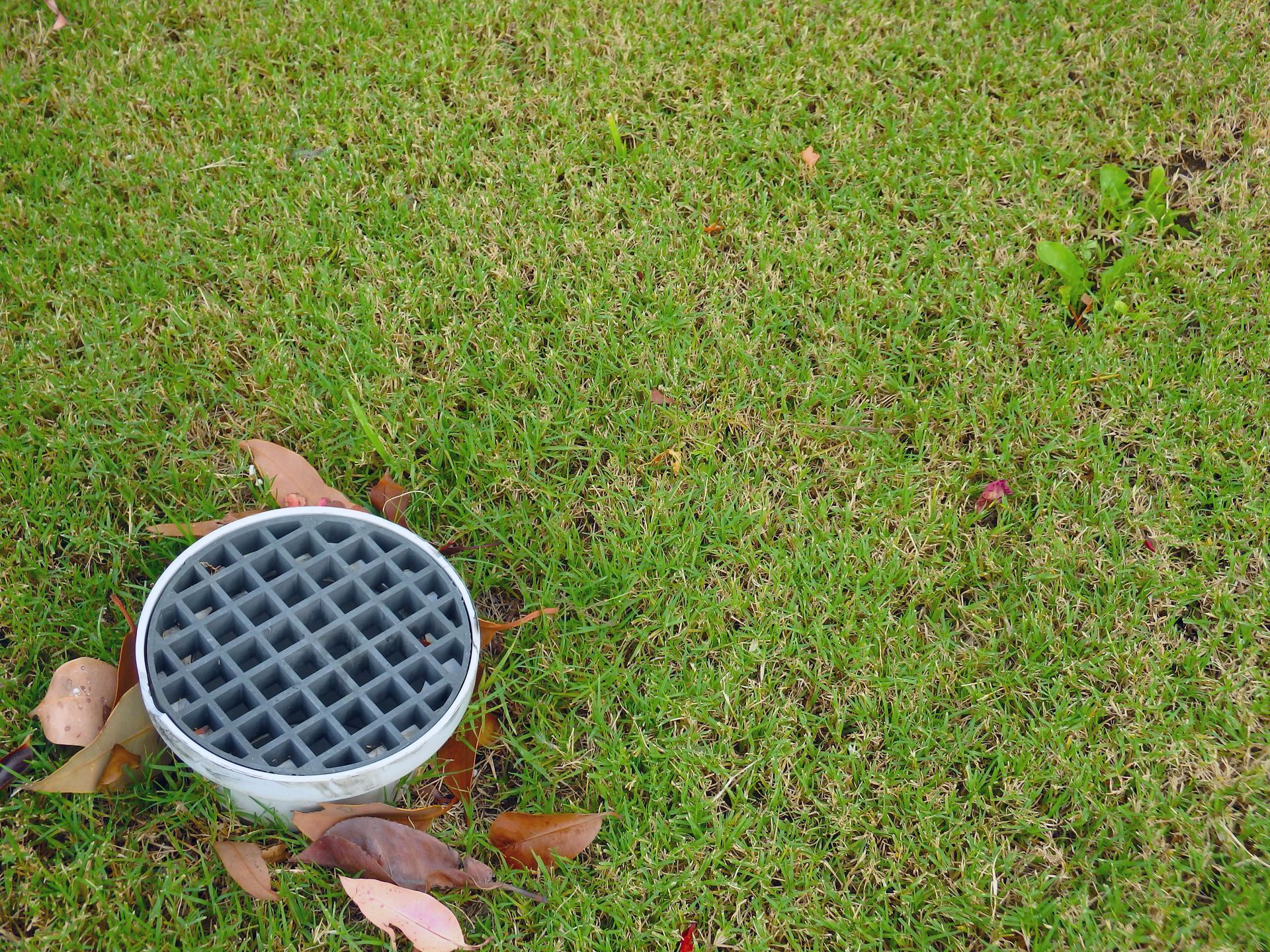
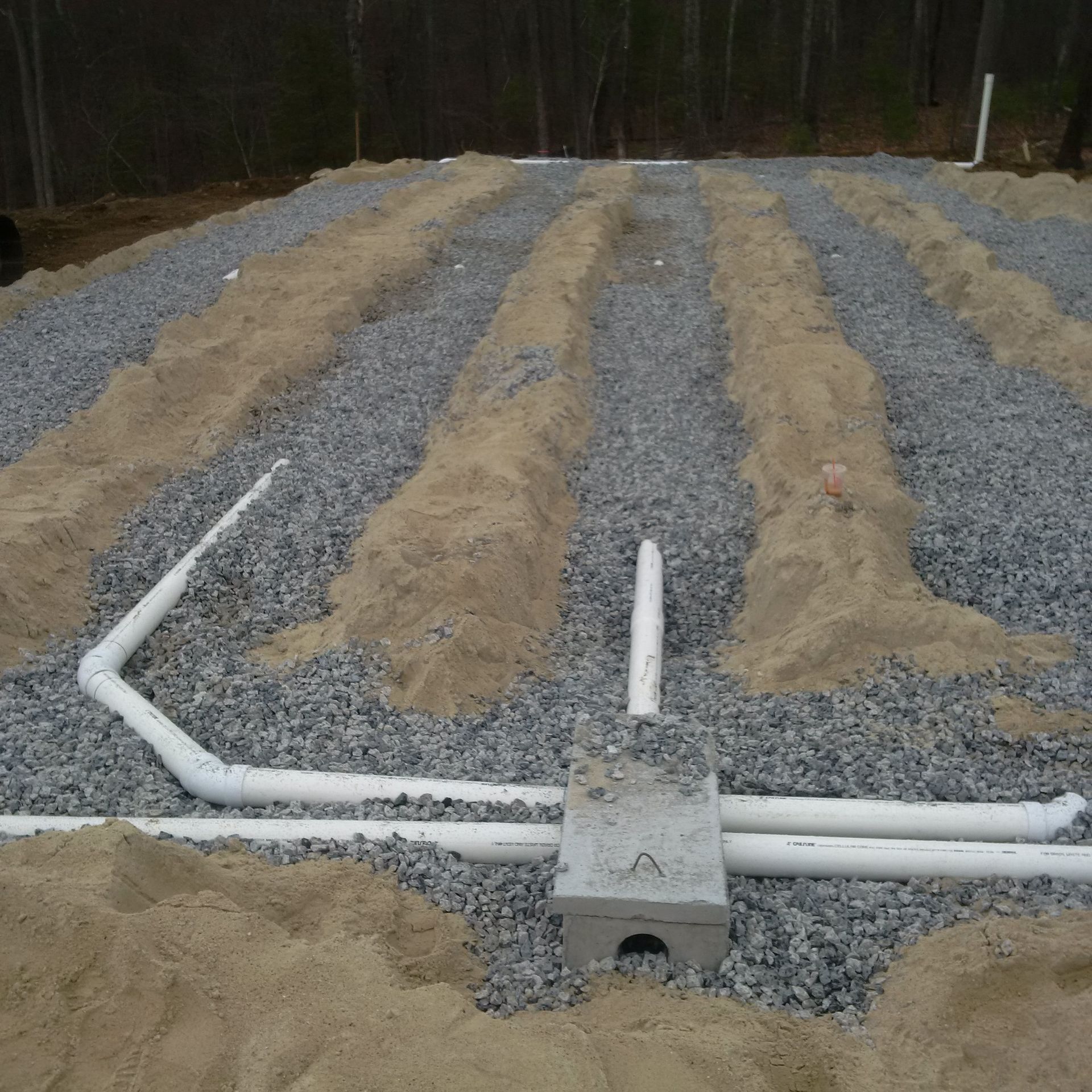
Stormwater management is the process of collecting, directing, storing, treating, and releasing rainwater runoff in a controlled manner. Depending on the location and project, this can involve traditional drainage infrastructure such as storm sewers, catch basins, culverts, and detention ponds. It can also include green infrastructure such as rain gardens, permeable pavement, vegetated swales, and other systems designed to encourage infiltration.
The goal is not necessarily to make rainwater disappear. Instead, effective civil engineering strategies attempt to mimic some of the natural processes that occur before an area is developed. By slowing runoff and allowing more water to infiltrate into the ground, these systems can reduce the amount of water entering drainage networks at one time.
The scale of the infrastructure involved is substantial. According to the American Society of Civil Engineers' Infrastructure Report Card, estimates indicate that the United States has approximately 3.5 million miles of storm sewers, along with hundreds of millions of storm drains and millions of stormwater treatment assets. This extensive network demonstrates why stormwater management is an important component of modern civil engineering.
How Does Stormwater Affect Civil Infrastructure?
Stormwater can have a significant effect on roads, bridges, buildings, drainage systems, and other civil infrastructure. When large amounts of water accumulate quickly, drainage systems can become overwhelmed, resulting in localized flooding. Water can also erode soil around roads, foundations, drainage structures, and other constructed features.
Roads are particularly vulnerable because runoff can carry sediment and debris into drainage systems while repeated exposure to water can contribute to deterioration. Poor drainage can also allow water to collect beneath or alongside pavement, potentially contributing to settlement, erosion, or other problems.
Buildings and other structures can be affected when runoff is directed toward foundations rather than safely away from them. Inadequate drainage may contribute to saturated soils, basement flooding, or erosion around a property.
Urban development can make these problems more pronounced. As natural ground cover is replaced with impervious surfaces, less rainfall can infiltrate naturally into the soil. The resulting increase in surface runoff means civil engineering professionals must account for both existing drainage conditions and the additional runoff created by new development.
Why Do Cities Implement Stormwater Management Systems?
Cities require stormwater management because uncontrolled runoff can create problems that extend well beyond an individual property. A new building, parking lot, subdivision, or roadway can change how water moves through an entire watershed. Without appropriate controls, runoff from one project can increase the burden on downstream drainage systems and neighboring properties.
Regulations also play an important role. Municipalities and other authorities may establish stormwater requirements for development projects to address flooding, erosion, water quality, and other concerns. Requirements can vary considerably depending on the location, project type, size of the development, and characteristics of the surrounding watershed.
Environmental protection is another major consideration. Rainwater flowing over roads and parking areas can pick up sediment, oils, chemicals, trash, nutrients, and other pollutants before carrying them into streams, rivers, lakes, and other water bodies. Stormwater management systems can help capture or treat some of these pollutants before they reach receiving waters.
These requirements also help communities plan for long-term infrastructure needs. Rather than addressing drainage problems only after flooding occurs, civil engineering principles allow communities to evaluate runoff during the planning and design stages of a project.
What Role Do Civil Engineers Play in Stormwater Management?
Civil engineers are involved in many stages of stormwater management, from evaluating existing drainage conditions to designing new systems. Their work can include determining how much runoff a site is expected to produce, evaluating soil and topographic conditions, sizing drainage structures, and developing plans for safely conveying or storing water.
For example, a civil engineering team might evaluate a proposed commercial development to determine how much additional runoff will be generated by new roofs and pavement. Engineers can then design detention or retention features, drainage pipes, grading plans, and other infrastructure intended to manage that additional water.
Civil engineers may also work with environmental specialists, surveyors, architects, landscape professionals, contractors, and government agencies. This collaboration is important because stormwater does not follow property boundaries. A drainage solution that works on one portion of a site still needs to function within the broader watershed.
Maintenance is another important consideration. Even a well-designed system can lose effectiveness if catch basins become clogged, detention areas are neglected, or drainage structures deteriorate. Civil engineering therefore involves not only designing infrastructure but also considering its long-term operation and maintenance.
What Are the Benefits of Effective Stormwater Management?
Effective stormwater management can provide several benefits for communities and property owners. One of the most obvious is reduced flooding. By temporarily storing runoff, slowing its movement, or directing it through appropriately sized drainage systems, communities can reduce the likelihood that large amounts of water will overwhelm infrastructure.
Stormwater management can also help protect roads, buildings, drainage systems, and natural areas from erosion and excessive runoff. Keeping water under control can reduce the strain placed on infrastructure during major rainfall events.
Water quality is another important benefit. Treatment systems and green infrastructure can capture sediment and certain pollutants before runoff reaches nearby waterways. Vegetated systems can also provide habitat and contribute to more attractive public and private spaces.
There can be broader environmental benefits as well. Practices that encourage infiltration can help restore some of the natural water cycle that is disrupted by development. Instead of sending every drop of rainfall rapidly downstream, properly designed systems can slow water down and allow some of it to enter the soil.
Ultimately, stormwater management is about more than preventing puddles or keeping streets clear during a heavy storm. It is a fundamental part of responsible community development. Through careful civil engineering, cities can account for how development changes water movement and build infrastructure that is better equipped to handle those changes.
Stormwater management provides communities with a structured way to deal with one of the most basic forces affecting developed areas: water. Roads, buildings, parking lots, and other improvements change the natural movement of rainfall, making engineered drainage and runoff controls increasingly important.
Cities require stormwater management because uncontrolled runoff can contribute to flooding, erosion, infrastructure damage, and water pollution. Civil engineers help address these challenges by analyzing drainage conditions, designing appropriate systems, and considering how individual projects interact with the surrounding watershed.
As communities continue to develop and existing infrastructure ages, thoughtful stormwater planning will remain an important part of sustainable urban development. Effective
civil engineering does not simply move water away as quickly as possible. It considers where that water goes, how much enters the system, how infrastructure will handle it, and how those decisions affect the community over the long term. If you're looking for stormwater management, reach out to the team at Seal Pro Paving & Sealcoating today!